Four Tips for Dealing with Sore Gums
Posted on 12/15/2025 by Amir Hosseini, DDS |
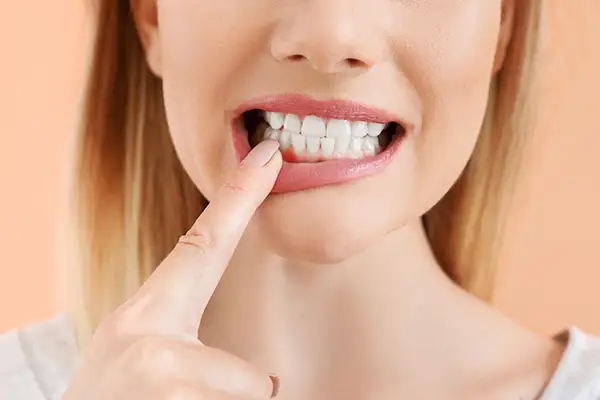 Sore gums can be a real pain, literally! They can make it difficult to eat, talk, and even brush your teeth. But don't worry, there are things you can do to relieve the pain and get your gums healthy again. Sore gums can be a real pain, literally! They can make it difficult to eat, talk, and even brush your teeth. But don't worry, there are things you can do to relieve the pain and get your gums healthy again.
What Causes Sore Gums?
There are many things that can cause sore gums, including:
| • |
Poor oral hygiene: This is the most common cause of sore gums. When plaque and bacteria build up on your teeth and gums, it can irritate the gums and cause them to become inflamed. |
| • |
Gum disease: This is a serious infection of the gums that can damage the soft tissues and bones that support your teeth. If left untreated, gum disease can lead to tooth loss. |
| • |
Canker sores: These are small, painful ulcers that can appear on the gums or inside the mouth. |
| • |
Ill-fitting dentures: Dentures that don't fit properly can rub against the gums and cause irritation. |
| • |
Certain medications: Some medications, such as chemotherapy drugs, can cause sore gums as a side effect. |
| • |
Tobacco use: Smoking and chewing tobacco can irritate the gums and increase your risk of gum disease. |
Tips for Relieving Sore Gums
If you have sore gums, there are a few things you can do to relieve the pain and discomfort:
| 1~ |
Practice good oral hygiene: This is the most important thing you can do to prevent and treat sore gums. Brush your teeth twice a day for two minutes each time, and floss once a day. You should also see your dentist for regular checkups and cleanings. |
| 2~ |
Use a soft-bristled toothbrush: A hard-bristled toothbrush can irritate your gums and make them more sore. |
| 3~ |
Use a warm salt water rinse: Mix a teaspoon of salt into a glass of warm water and rinse your mouth for 30 seconds. This can help to reduce inflammation and pain. |
| 4~ |
Over-the-counter pain relievers: Over-the-counter pain relievers, such as ibuprofen or acetaminophen, can help to relieve pain and inflammation. |
When to See a Dentist
If your sore gums are severe, don't go away after a few days, or are accompanied by other symptoms, such as bleeding gums, loose teeth, or bad breath, it's important to see a dentist right away. These could be signs of a more serious problem, such as gum disease.
Taking Care of Your Gums
Taking care of your gums is just as important as taking care of your teeth. By following the tips above, you can help to keep your gums healthy and prevent them from becoming sore. And remember, if you have any concerns about your oral health, don't hesitate to see a dentist.
Restoration Dentistry
In some cases, restoration dentistry may be necessary to treat sore gums. This could involve procedures such as scaling and root planing, which removes plaque and tartar from below the gum line, or gum grafting, which replaces lost gum tissue.
By taking care of your gums, you can help to prevent the need for more extensive dental treatment in the future.
|
|